Native vs non-native trees: what we plant and why
Vanamitra Team · Apr 02, 2026 · 6 min read
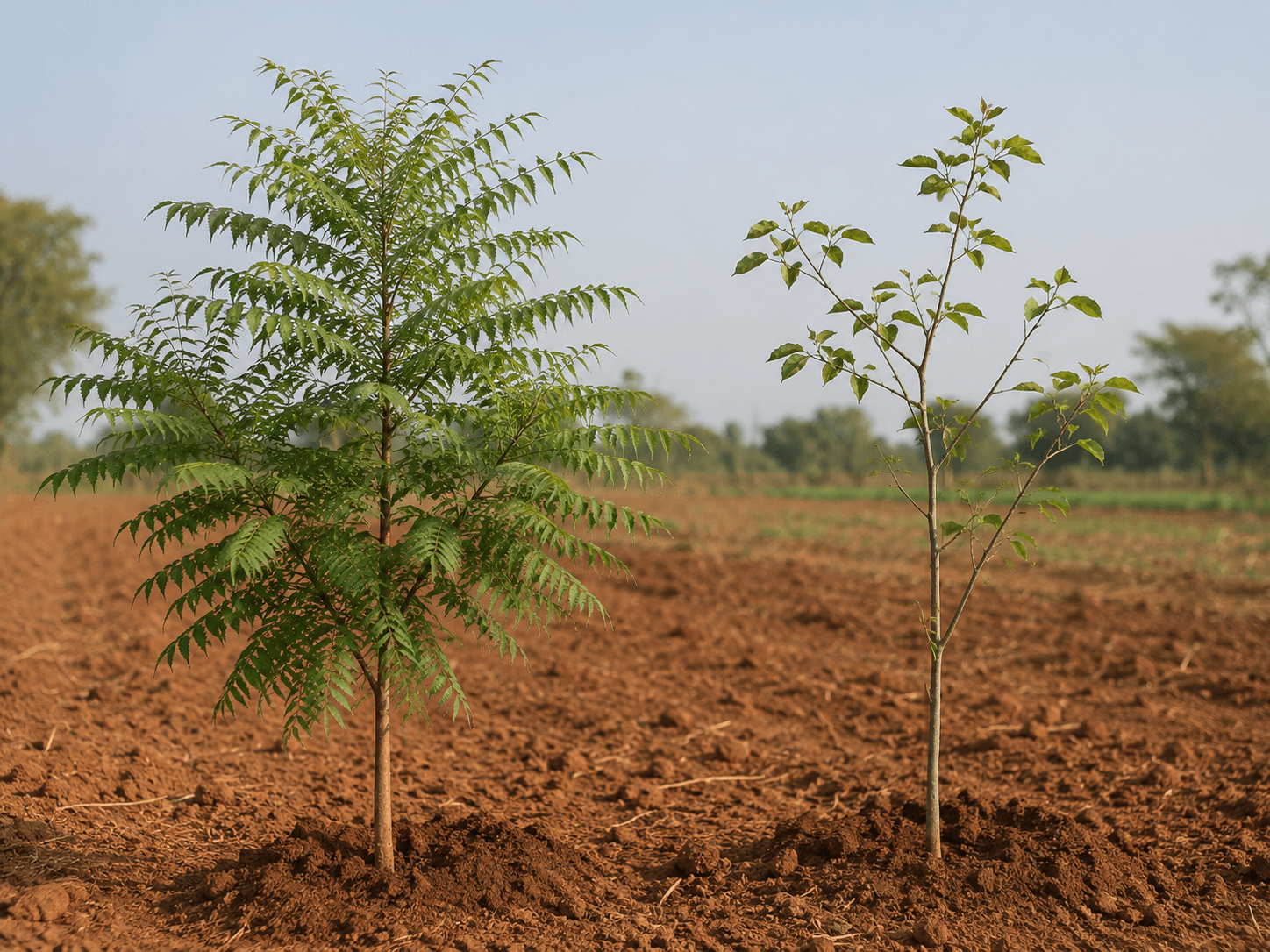
Why 87% of what we plant is native to the Sabarmati basin — and the careful exceptions we make.
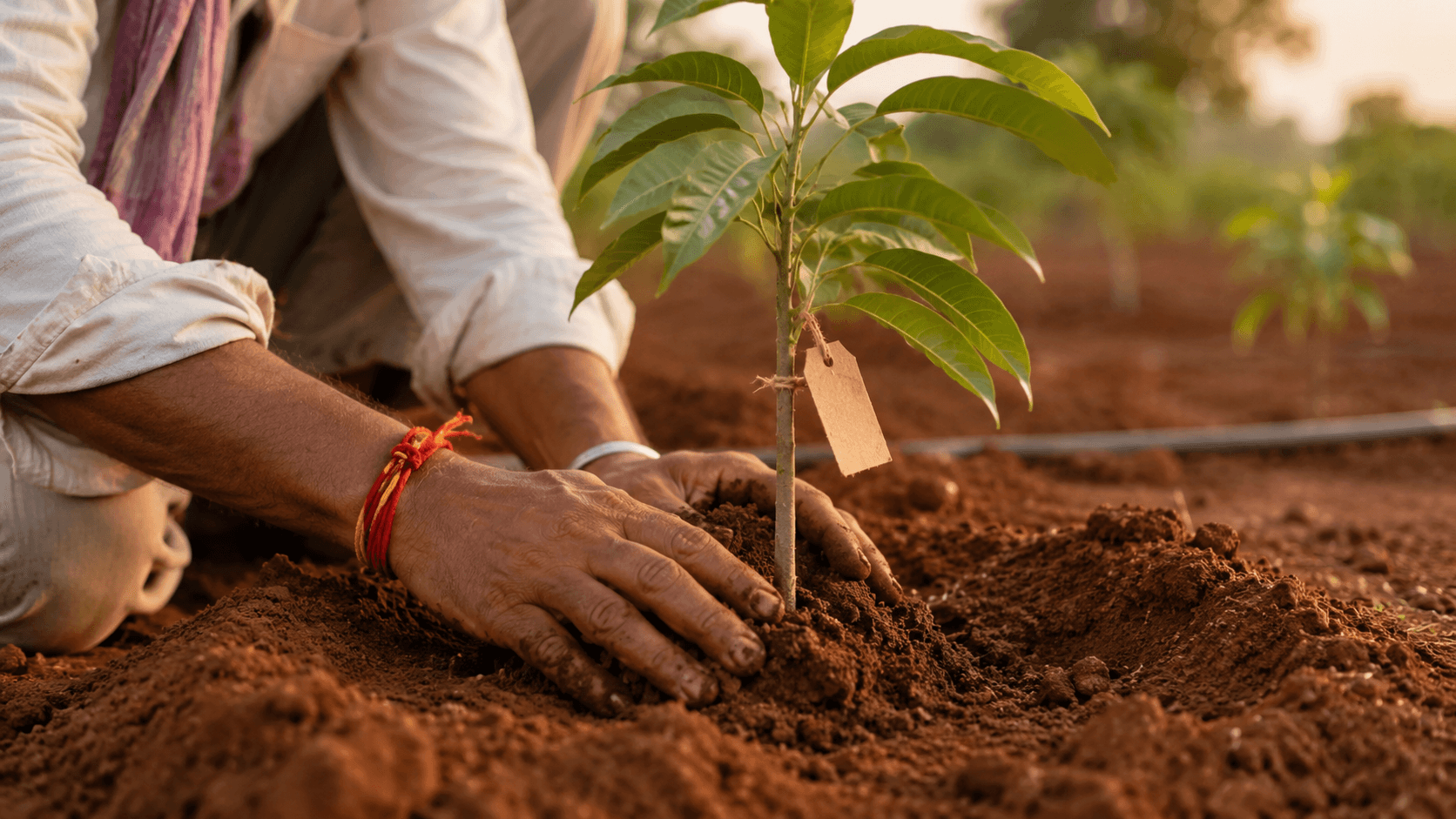
The distinction between a native and non-native tree sounds academic until you watch what happens in the soil. Native trees — those that evolved in the Sabarmati basin over thousands of years — carry relationships with local mycorrhizal fungi, specific insect pollinators, and the birds that disperse their seeds. When you plant a native Peepal or Neem, you are not inserting a single organism into the ground. You are reactivating a web of dependencies that the land already knows how to sustain.
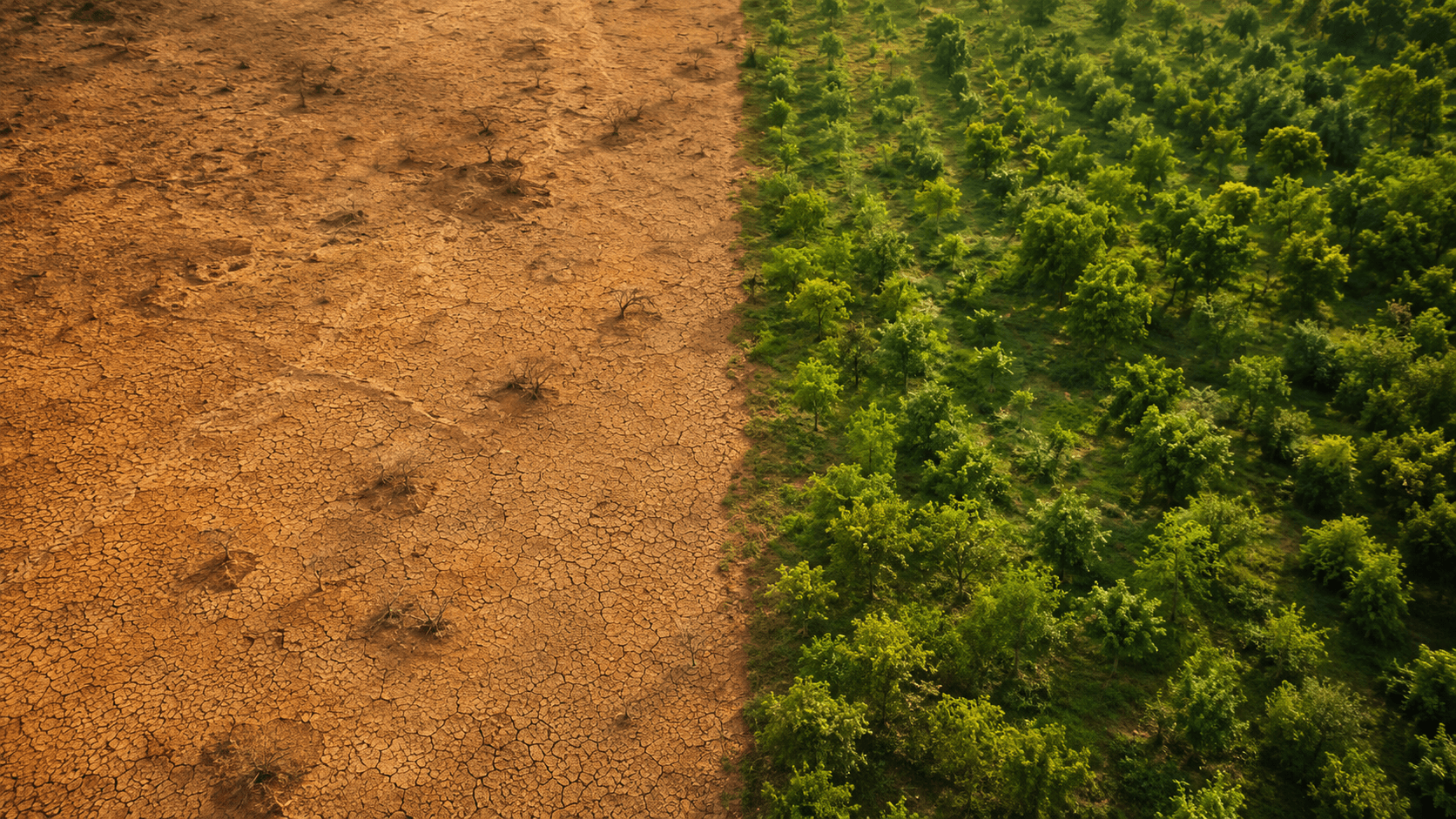
Non-native species, by contrast, are often planted for speed. Eucalyptus grows quickly and sequesters carbon fast — which sounds ideal until you learn that it depletes groundwater at roughly three times the rate of a native tree, supports almost no local wildlife, and produces allelopathic compounds that prevent other plants from establishing nearby. We have removed every eucalyptus from the Vanamitra plot. The Gulmohar — not native to India but naturalised here for over a century — is the careful exception we make, and only in limited numbers.
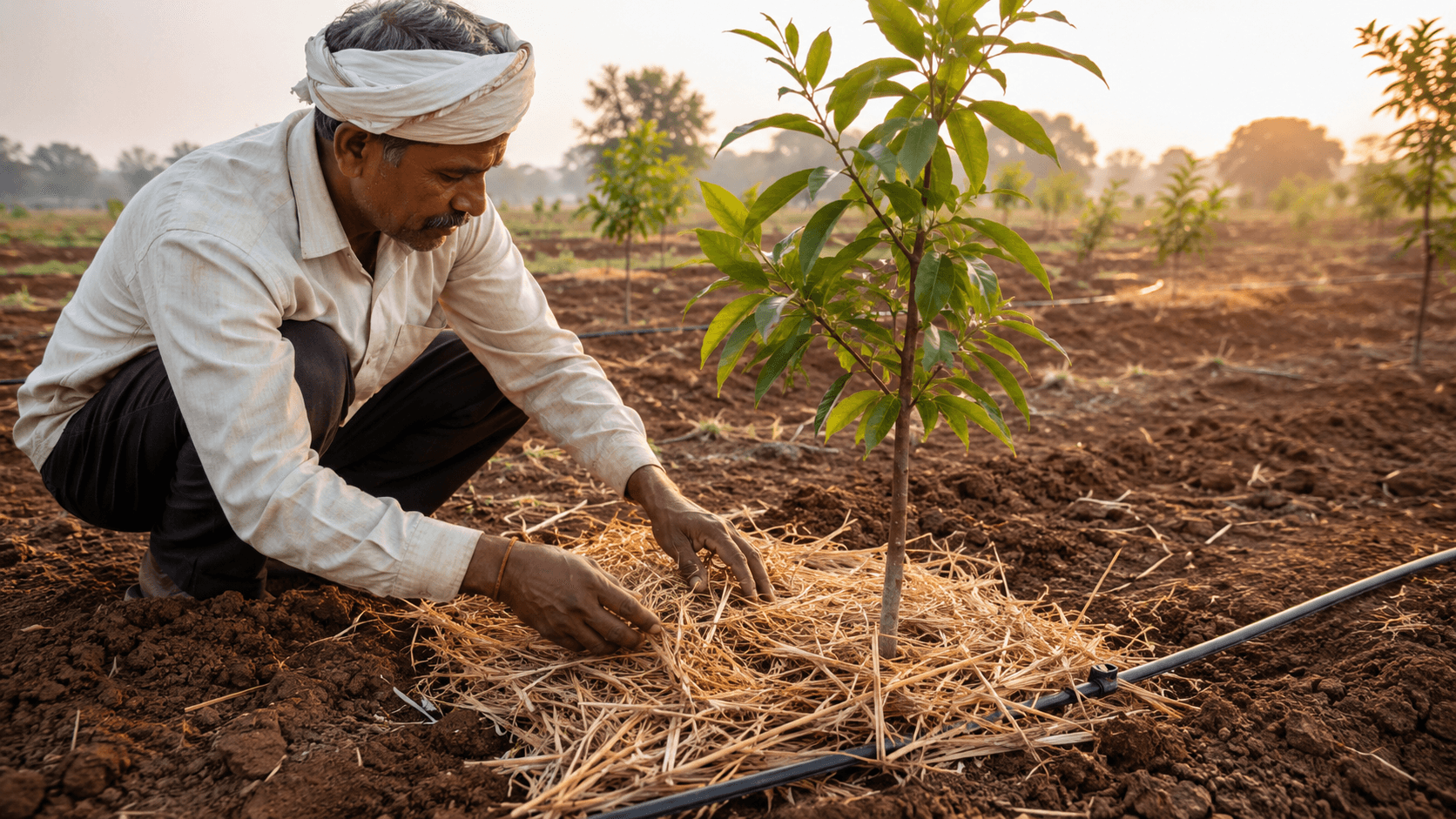
Eighty-seven percent of what we plant is native: Neem, Peepal, Banyan, Arjun, Mango, and Drumstick. These species have evolved to handle our soil chemistry, our monsoon intensity, and our dry-season temperatures. They do not require supplemental irrigation after year three. They build canopy that other species can grow under. They make the farm, over time, capable of sustaining itself without us.
Written from Vasna village, Kheda district, Gujarat. We plant on Tuesdays and Saturdays.